
Industrial Hydrogen Gas Manifold Systems: The Complete Guide to Safe, Efficient, and Future-Ready Gas Distribution for Modern Industries
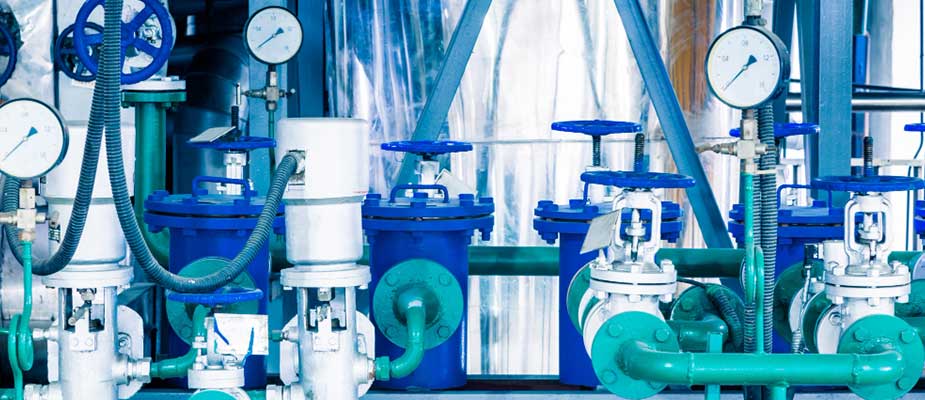
The industrial sector in India has been revolutionised over the last few years, and with this comes an increasing need for the supply of gas to both industries and consumers in a safe and uninterrupted manner. Hydrogen is one of the most valuable gases used within the industrial sector due to its versatility and high energy potential. Industries that use hydrogen include metal fabrication, electronics, pharmaceuticals, research labs, chemical manufacturing facilities, and projects related to clean energy.
Hydrogen is a gaseous fuel; therefore, simply providing a connection between a hydrogen gas cylinder and other equipment does not ensure safety when using hydrogen as an energy source. Hydrogen is a very flammable, lightweight gas that is stored under high pressure; therefore, the industries that use hydrogen as an energy source require gas delivery systems that have been engineered and built specifically with safety, precision, and efficiency in mind. The use of gas delivery systems in conjunction with professionally engineered hydrogen gas manifold systems is essential to preventing problems when using hydrogen fuel.
A properly designed industrial hydrogen gas manifold system will ensure an ongoing supply of hydrogen gas, reduce operational downtime, improve workplace safety, and increase overall productivity within the industrial sector. If businesses work with a professional hydrogen delivery system engineer to create a delivery system that utilises a hydrogen cylinder, they can significantly minimise operational risks and comply with industry safety standards, provided they regularly inspect their gas delivery system and have their hydrogen cylinders hydrotested.
The objective of this extensive blog is to provide the business community with all the information it needs about industrial hydrogen gas manifold systems, including their benefits, types of applications, applicable safety standards, recommended maintenance procedures, and, most importantly, how critical it is to partner with the right engineer when designing and building a hydrogen gas delivery system.
Need a Safer & More Reliable Hydrogen Gas Distribution System?
Connect with Bhagyalaxmi Gas Solutions (BLGS) to design a customised hydrogen gas manifold system that improves safety, ensures an uninterrupted gas supply, and supports your industrial operations.
What Is a Hydrogen Gas Manifold?
A hydrogen manifold is a centralized system used to regulate multiple cylinders containing hydrogen gas and supply them through a pipeline to one central point for use with production machines (i.e., a continuous flow of hydrogen from all the tanks). Instead of having an operational hydrogen cylinder that is used only once, the manifold allows you to have a certain amount of hydrogen available and can be switched out depending on what is needed (i.e. a tank can be filled from another tank that is not in use).
A manifold is designed to perform one or more of the following purposes:
- Maintain a continuous supply of hydrogen
- Control the hydrogen pressure
- Automatically switch from one cylinder to another
- Transport hydrogen safely
- Minimize downtime
- Use cylinders efficiently
- Increase safety for operators
If an industry does not have an engineered hydrogen manifold, it will typically face the following challenges: fluctuations in pressure, interruptions of production due to the availability of hydrogen, and higher levels of safety risks.
Why Industries Prefer Industrial Hydrogen Gas Manifold Systems
Commercial gas supply interruptions are unacceptable. The following issues could result from very brief production downtime:
- Poor product quality
- Production delays
- Shutdown of equipment
- Extraordinary financial losses
- Increased operational costs
That is why Industry Professionals are designing hydrogen gas manifold systems to eliminate gas supply interruptions.
1 .Continuous Supply of Gas
Once again, one of the biggest advantages of these manifold systems is that they deliver gas continuously without interruption.
When one bank of gas cylinders becomes empty, the manifold system switches to another bank of gas cylinders… thereby allowing production to continue without requiring an operator to manually switch banks
2.Enhanced Safety
As with other types of gas, hydrogen is a very flammable gas; therefore, the proper use and handling of hydrogen gas requires the use of safety equipment. Well-designed manifold systems provide various safety features to help reduce the risk of high-pressure systems:
- Pressure regulators
- Check valves
- Isolating valves
- Pressure relief devices
- Leak-proof fittings
- High-pressure piping
- Emergency shut-off systems
These components mitigate the potential for a hydrogen explosion or fire.
3.Better Use of Gas
Improperly connecting gas cylinders creates residual gas that is not used. Manifold systems ensure that:
- The maximum number of cylinders being used
- Keeping a check that less gas is wasted
- Supervising the cost to operate is less
- Checking if the inventory control has improved
These benefits translate to measurable savings over time.
4.Stable Pressure Control
Manufacturers rely upon suppliers to deliver gas at a specified pressure. Pressure fluctuations can negatively impact many manufacturing processes, such as:
- Welding
- Chemical reactions
- Laboratory test results
- Heat treating
- Manufacturing of semiconductors
Industry professional-design manifold systems provide a stable outlet pressure, regardless of the gas cylinder pressure.
5.Reducing Manual Handling
Frequent cylinder changes increase:
- Labour cost
- Risk of manual handling accidents
- Downtime
- Human error
With a central manifold, changing cylinders is much simpler and safer.
Want to Future-Proof Your Gas Distribution System?
As hydrogen adoption continues to grow, your gas infrastructure should be ready to meet tomorrow’s demands.
Major Components of a Hydrogen Gas Manifold System
By learning about each part on its own, industries begin to understand the importance of Quality Engineering.
Cylinder Headers
Headers supply an equal amount of gas to all cylinders. It also provides a balanced amount of flow through all the cylinders in the system.
Pressure Regulators
Pressure regulators change the working pressure from the high-pressure gas in the cylinder to a safe working pressure for the industrial equipment. Pressure regulators are one of the most important pieces of equipment for safety.
Isolation Valves
Isolation valves allow you to service or replace a cylinder without shutting down the entire gas supply system.
Non-Return Valves
Non-Return valves are designed to prohibit gas from flowing backwards through the system, thereby protecting both the operator and equipment.
Flexible High-Pressure Hoses
Specific hoses are used to connect all cylinders together with the motion required to remove and replace cylinders.
Pressure Gauges
Operators can monitor:
- Cylinder Pressure
- Line Pressure
- Outlet Pressure
By being able to monitor the above pressures, operators can do preventative maintenance and change a cylinder out promptly.
Automatic Changeover Units
Most modern manifold systems come with an automatic changeover system. Advantages of an automatic changeover system are:
- Allows continuous production
- Cylinders will switch automatically
- Less operator involvement
- More reliable processing
The Critical Role of Gas Cylinder Hydrotesting
The cylinders used in gas distribution systems must also be structurally sound in order to prevent them from failing during their usable life. That is why gas cylinder hydrotesting is so important.
Gas cylinder hydrotesting is the method where the pressure of a cylinder is tested to verify that it will withstand high internal pressures at which it was designed and can safely hold gas under those pressures.
To conduct a hydrotest, water fills a cylinder pressurized above the normal operating pressure to check for any weakness, leaking, or permanent deformation of the cylinder.
When gas cylinders are hydrotested, water (as opposed to compressed gas) is used because it holds significantly less energy than compressed gas and greatly reduces risk to those performing the inspection.
If a gas cylinder passes the hydrotest, it should continue to be in use. If the test identifies an unsafe cylinder, it should be either repaired or removed before it becomes a danger.
How Does Gas Cylinder Hydrotesting Work?
Throughout their functional lifetime, industrial gas cylinders are continually exposed to a variety of challenging operating conditions, including repeated filling, moving to/from filling locations, storing, experiencing variations in internal pressure over time, and exposure to environmental conditions. The cumulative effect of these operational conditions will result in wear, corrosion and structural fatigue to some degree in each gas cylinder. Gas cylinder hydrotesting is performed to ensure each cylinder is safe for continued use.
Hydrotesting services in India will usually take place in the following phases of the gas cylinder hydrotesting process:
1.Visual Inspection of the Cylinder
The gas cylinder will be carefully visually inspected before any pressure testing is done. A qualified hydrotester will examine the cylinder for:
- Surface corrosion.
- Dents and mechanical damage.
- Thread wear.
- Fire or heat exposure.
- Bulges or distortion.
- Valve condition.
- Unreadable markings or identification.
If the cylinder has visible evidence of significant physical damage, it can fail visual inspection and will not be subjected to pressure testing.
2.Valve Removal & Cleaning the Inside of the Cylinder
The valve on the gas cylinder will be removed in a manner that does not cause any damage to the opening of the cylinder, allowing the technician to inspect the inside surfaces of the cylinder for:
- Rust
- Moisture
- Contaminants
- Pitting
- Internal corrosion
Cleaning the cylinder ensures that if there are any foreign objects in the cylinder (dirt, rust particles, condensation, etc.) they will not impede the gas cylinder hydrotesting process and if the cylinder will be used to transport or store a product, then any cleaning will help preserve the purity of the product stored in the cylinder in the future.
3.Filling the Cylinder with Water
Since water is an almost incompressible substance, filling the gas cylinder with water allows the technician to safely hydrotest the cylinder, as there is no or very little energy stored in a cylinder when it is pressurized with water (as there is when using gas in the gas cylinder).
Before the gas cylinder hydrotesting begins, the technician will fill the cylinders with water in order to remove any air that may exist inside the cylinders.
4.Testing Pressure
The testing of pressure involves using specialized equipment to test the cylinder at a higher pressure than it would typically be used for. During testing, technicians will check:
- Stability of the pressure maintained during testing through the testing cycle?
- How does the cylinder expand or deform during the testing?
- Is there a leakage or not when a cylinder is being tested?
- Does the cylinder permanently deform or change shape during the testing?
If any of the above occur, the cylinder will not be returned to service.
5. Certifying & Evaluating
The cylinder will then be allowed to dry completely, have an approved valve attached to it, have the testing date written on it and will then be certified for use again.
If the cylinder does not pass, it will be condemned and will be taken out of service to reduce any future concerns about safety.
Need Certified Hydrotesting Services?
BLGS follows rigorous inspection and testing procedures to help industries maintain safe, compliant, and reliable gas cylinders throughout their service life.
Choosing Reliable Hydrotesting Services in India
Increased demand for industrial gases has led to an increased volume of professional hydrotesting services in India. However, it should be noted that not all service providers have sufficient expertise, quality of testing equipment, or engineering support.
When identifying the ideal partner for your gas cylinder hydrotesting needs, companies should consider several important factors, including.
Modern Testing Facilities
Advanced gas cylinder hydrotesting facilities produce more accurate inspections faster than those of less advanced providers. When evaluating providers, choose those who use calibrated equipment and follow standard inspection procedures.
Competent Technical Personnel
Because hydrogen cylinders are highly sensitive to pressure, their handling needs to be done with extreme care.
Competent technicians will know what to do when performing the following tasks:
- Safety of Pressure Vessels
- Compatibility of Gases
- Inspection Procedures
- Testing Standards
- Record Keeping Requirements
The technical expertise of those doing the testing will help ensure the quality of testing results on a consistent basis.
Complete Documentation
Reliable testing companies will maintain complete, accurate records for all cylinders tested. Complete documentation assists companies in doing the following:
- Compliance Auditing
- Scheduled Maintenance Planning
- Cylinder Tracking
- Safety Management Systems
End-to-End Service
More and more often, instead of outsourcing different services, companies are realizing the value of utilizing a single supplier that can provide them with:
- Manifold Systems
- Gas Pipeline Installation
- Pressure Reducing Stations
- Cylinder Testing
- Field Maintenance of Equipment
- Technical Consultations
This type of integrated approach leads to easier project execution and long-term maintenance.
Conclusion
Industrial hydrogen has become an essential gas across multiple sectors, including the pharmaceutical, electronics, metal processing, chemical, research, and clean energy industries. The growing need for safe and efficient gas handling has never been greater as industries continue to grow and adopt modern manufacturing technologies along with hydrotesting services in India.
A professionally designed hydrogen gas manifold will provide a continuous supply of hydrogen gas at a constant pressure, utilise the hydrogen gas cylinders better, and create a safe working environment. Regular gas cylinder inspections and gas cylinder certifications with the use of hydrotesting are also important so that weak gas cylinders are identified before becoming a hazard.
Buying reliable industrial hydrogen gas manifold systems and working with qualified gas cylinder hydrotesting service providers in India will help improve your organisation’s operational efficiency, decrease downtime, and create a safer working environment today and in the future.
Bhagyalaxmi Gas Solutions (BLGS) continues to assist businesses throughout India with advanced, high-quality and dependable gas distribution systems that meet the changing requirements of today’s industrial market.
Ready to Improve Your Industrial Gas Distribution?
Partner with Bhagyalaxmi Gas Solutions (BLGS) for expertly engineered hydrogen gas manifold systems, professional gas cylinder hydrotesting, and comprehensive industrial gas solutions that prioritise safety, efficiency, and long-term reliability.
Contact us today to discuss your project or request a customised solution for your facility.