
Powering the Future: A Deep Dive into Hydrogen Infrastructure, Safety & Storage Innovations
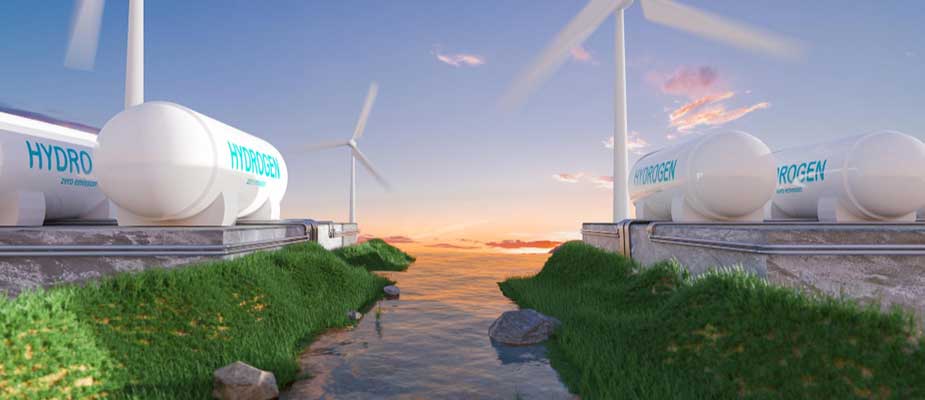
The use of hydrogen in clean energy discussions is no longer limited to the advertising world as it increasingly becomes an integral part of a worldwide move towards creating sustainable & low-carbon energy systems. With the expanding energy industry moving away from fossil fuels, hydrogen is expected to be a viable, effective alternative for powering various applications, including both vehicles and large-scale industrial facilities. However, the infrastructure required to utilise hydrogen safely is extremely complicated due to the complexity of storing it and transporting it across the globe.
This comprehensive blog will cover many of the key components necessary to develop an adequate infrastructure capable of supporting the use of hydrogen, including the details surrounding a hydrogen gas cylinder cascade, the role of hydro-testing hydrogen cylinders and the advances being made with hydrogen gas compression storage and hydrogen gas distributing equipment. This guide will also provide a good foundation for developing your understanding of how hydrogen will be handled in a safe manner when being delivered in an industrial application, whether you are a professional in the hydrogen industry, a researcher or just interested in learning more about this rapidly evolving clean energy source.
An effective method of storing and distributing hydrogen gas in industry is to use a hydrogen gas cylinder cascade system. A hydrogen gas cylinder cascade system comprises several high-pressure cylinders that have been arranged in either series (cascading) or parallel (banking) configurations, allowing for controlled gas distribution and optimum pressure management.
A hydrogen gas cylinder cascade system consists of multiple groups of cylinders known as “cylinder banks.” The cylinder banks listed below are used in sequential order, with one bank utilised until the pressure has been reduced to the designated operating pressure for that bank. Automatically switching to the next cylinder bank when the last bank has been depleted ensures that there will always be a source of hydrogen available for distribution at the specified pressure.
Benefits of Using a Hydrogen Gas Cylinder Cascade
- Maximum Efficiency with Pressure Utilisation: All available gas can be used from an empty main cylinder bank.
- Continuous Gas Supply: This type of system is very useful for providing a continuous hydrogen supply to a facility that has a need for uninterrupted hydrogen gas flow.
- Scalability: The system may be easily expanded by adding additional cylinder banks or cylinders.
Applications for Hydrogen Gas Cylinder Cascade
- Hydrogen fueling stations for hydrogen fuel cell vehicles.
- Hydrogen-use laboratories and research facilities.
- Hydrogen-use industrial manufacturing plants.
Want an Uninterrupted Hydrogen Supply for Your Facility?
Discover how a hydrogen gas cylinder cascade can optimise your operations!
Hydrogen Gas Storage: Challenges & Innovations
One of the most critical components of the hydrogen economy is storing hydrogen gas. Because of the low density of gaseous hydrogen, there are different methods to store it:
- Under high pressure
- At low temperature (cryogenic)
- Using special materials for hydrogen storage
Storage Methods
- Compressed Hydrogen Gas Storage: Hydrogen gas can be stored in cylinders compressed to very high pressures. Cylinders can hold hydrogen pressures of well over 350 bar (which is approximately 5000 psi).
- Cryogenic Hydrogen Storage: Hydrogen must be cooled to very low temperatures (-253°C) and stored in insulated tanks.
- Material-Based Hydrogen Storage: Hydrogen can also be stored in metal hydrides or chemical carrier materials at lower pressures (generally below 30 bar).
Safety Considerations
- Detection Systems for Leaks
- Ventilation and Pressure Relief Devices
- Flame Arrestors
Curious About the Safest Hydrogen Storage Solutions?
Learn how advanced hydrogen gas storage systems can protect your assets and people!
The Importance of Cylinder Hydrotesting
Hydrogen, which, because of its high pressure, is very dangerous to work with. One of the most important maintenance procedures you can do for a high-pressure gas cylinder is called hydrotesting (or hydro-pneumatic testing), which will determine whether or not the cylinder is in good enough shape to be considered fit to work.
What is Hydrotesting?
Hydrotesting is a procedure used to check for leaks, deformations, and other structural integrity problems in gas cylinders by filling them with water and pressurising them to more than they would normally operate at.
Why Have Hydrotesting?
- Prevent Accidents: Cylinder hydrotesting checks for potential problems before they occur.
- Ensure Regulatory Compliance: Hydrotesting ensures that the cylinders meet the necessary regulatory standards and certifications.
- Increase Cylinder Life: Maintaining a regular hydrotest program will greatly extend the life of the cylinders.
How Often Should You Hydrotest?
The typical cylinder hydrotesting intervals for hydrogen cylinders vary from every three years to five years, based on local regulations and how the cylinders are used.
Don’t Compromise on Safety!
Schedule regular cylinder hydrotesting to ensure maximum reliability and compliance.
Hydrogen Gas Manifold Systems: Precision & Control
An assembly of tanks for storing hydrogen gas is referred to as a manifold. The manifold is a system that connects several gas cylinders together in order to control the amount and pressure of hydrogen that comes out of these cylinders to different locations. The manifold plays an important role in providing a consistent pressure and flow of hydrogen to the different locations.
Components Associated with the Manifold System
- Pressure regulators
- Valves and piping
- Flow meters
- Safety relief devices
Benefits of a Manifold System
- Centralised Control: Simplified management of gases
- Better Safety: Reduces the number of times that persons have to manually handle cylinders
- Operational Efficiency: Provides an even flow of gas to each location
Applications for a Manifold System
- Semiconductor fabrication
- Pharmaceutical manufacturing
- Fuel cell studies
Looking for Precision in Gas Delivery?
Upgrade to a hydrogen gas manifold system for enhanced control and efficiency!
Integrating Systems for Maximum Efficiency
The ability to achieve an integrated hydrogen infrastructure is dependent upon the integration of individual hydrogen components (hydrogen gas cylinder cascade, hydrogen gas manifold, hydrogen storage, etc.) along with safety systems (such as cylinder hydrotesting) so that they create one cohesive hydrogen infrastructure ecosystem.
The benefits of integrated hydrogen systems include:
- Optimised Performance: The optimisation of both storage and delivery systems through seamless interaction.
- Cost Savings: Through the elimination of waste and improvement in the utilisation of resources.
- Enhanced Safety: Through the use of automated monitoring and fail-safe systems, along with the use of smart technologies
To enhance system efficiency, many hydrogen systems are using IoT and AI technologies for real-time monitoring, predictive maintenance, and remote control; this is leading to a more robust hydrogen infrastructure overall.
Ready to Modernise Your Hydrogen Infrastructure?
Integrate smart systems for better performance and safety today!
Regulatory Standards & Compliance
Hydrogen systems are required to comply with a variety of national and international laws and regulations designed to provide strict guidelines for storage, transportation, and use.
These guidelines are:
- ISO standards for gas containers
- ASME code of reference for pressure vessels
- Local regulations and requirements for safety
To maintain both safety and the credibility of operations, compliance is required among all stakeholders.
Environmental Impact & Sustainability
Hydrogen can help to reduce carbon emissions, particularly when produced with renewable energy. When designed appropriately, hydrogen storage and distribution systems will have little loss and be most efficient.
Some benefits of hydrogen are:
- Zero emissions from use
- Lower carbon footprint
- Facilitates renewable energy resources integration
Make a Sustainable Choice!
Adopt hydrogen solutions to reduce your environmental impact today.
Conclusion
Hydrogen has to have the appropriate safety and infrastructure supports to be used effectively as an energy resource (cylinder cascade). In addition, the cylinders have to be hydrotested, and the hydrogen gas storage system & (manifold system) must meet precise specifications before they can be used. Numerous examples exist; however, these particular components represent the fundamental layers that must support the long-term goals associated with hydrogen.
By developing and implementing these different technologies, businesses will achieve greater efficiency, help to develop a cleaner energy future, and help achieve sustainability by using less energy overall.
Take the Next Step Toward Hydrogen Excellence!
Partner with experts and implement advanced hydrogen solutions to power your future today.