
Green Hydrogen Filling Plant in India: Powering the Nation's Sustainable Future with Advanced Hydrogen Infrastructure
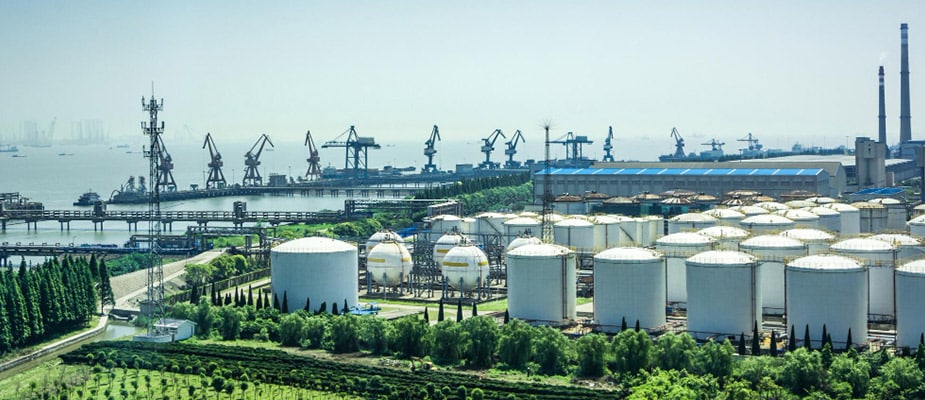
India is emerging as a promising market for green hydrogen, fueled by the country’s ambitious renewable energy goals and initiatives aimed at industrial decarbonization, and the growing commitment to achieve net-zero emissions. With the industrial sectors moving toward cleaner alternatives to fossil fuels, green hydrogen has become a revolutionary power source for many sectors like steel, chemicals, refining, transportation, power generation, and heavy manufacturing.
Green hydrogen, produced through the processes of electrolysis using renewable energy forms such as solar energy and wind energy, provides a zero-carbon solution to solve environmental issues as well as to ensure the long-term energy security needs of the country. Given the supporting policies of the government, technological advancements, and increased investments from the private and public segments, India is slowly establishing a complete hydrogen ecosystem.
Now, the demand is not limited only to hydrogen generation. There are companies already investing in storage infrastructure, transportation facilities, distribution networks, pressure regulation, and other integrated technologies. Therefore, organizations looking for green hydrogen plant companies in India are keen on suppliers that offer comprehensive engineering solutions according to international quality and safety standards.
In this blog, we will initially discuss the progressive green hydrogen space in India, discuss the relevance of hydrogen infrastructure, and review the new business opportunities as well.
Understanding the Green Hydrogen Production Process
The generation of green hydrogen basically involves breaking down water into hydrogen and oxygen using energy generated from renewable sources.
The production process consists of six major steps:
- Generating renewable sources of energy
- Purifying the water
- Conducting electrolysis
- Purifying the hydrogen
- Pressurizing hydrogen
- Storing and distributing the hydrogen.
Each step in the process uses energy-efficient equipment for safety, sustainability and compliance.
With the development of hydrogen infrastructure and the growing need to produce green hydrogen in India, reliance on green hydrogen plant companies in India is increasing.
Ready to Build a Future-Proof Hydrogen Facility?
Whether you’re planning a pilot project or a large-scale industrial installation, partnering with experienced hydrogen engineering specialists can help you develop safe, scalable, and efficient green hydrogen infrastructure that aligns with your sustainability goals.
The Growing Need for Green Hydrogen Filling Infrastructure
While producing hydrogen is important, developing effective supply and dispensing systems is equally important. With the popularity of hydrogen fuel cell vehicles, it becomes necessary to design an extremely effective hydrogen gas filling plant that can provide the safe and reliable delivery of hydrogen in a compressed state.
Typically, a modern green hydrogen filling plant in India will consist of:
- Hydrogen compressors
- High-pressure storage systems
- Cascade storage banks
- Dispensers
- Cooling systems
- Pressure monitoring equipment
- Safety shutdown systems
- Leak detection systems
- Automation and control panels
Thus, such efficient facilities enable fast refuelling of hydrogen. hydrogen gas filling plants are becoming increasingly essential for:
- Public transportation fleets
- Heavy commercial vehicles
- Industrial transportation
- Mining
- Ports
- Airports
- Logistics
With more and more green hydrogen plant companies in India adopting hydrogen gas filling plants, investments into every new green hydrogen filling plant in India will play a significant role in the transition to cleaner transport in the country.
Designing Efficient Hydrogen Gas Filling Infrastructure
Both the storage of hydrogen and the dispensing of hydrogen require precise engineering because of the distinctive physical characteristics of hydrogen.
A properly engineered hydrogen gas filling station employs several security layers while still maintaining an efficient filling operation.
Essential elements are the following:
High-Pressure Compressors
Compressors raise the hydrogen pressure for either dispensing or storage in a more efficient manner by decreasing energy losses.
Storage Cylinders
Strong storage cylinders are used to store hydrogen under controlled pressure conditions.
Dispensing units
The dispensing units measure the amount of hydrogen and safely dispense it during refuelling.
Automated monitoring
The monitoring system detects and measures the following data: pressure, temperature, purity of gas, flow rates, and location of the leak.
Many different safety systems monitor pressure and temperature. The hydrogen facility uses:
- Flame Detectors
- Gas Detectors
- Emergency Isolation Valves
- Ventilation Devices
- Pressure Relief Devices
- Draining Systems
Therefore, these components contribute to creating a highly safe operational environment.
Looking for Reliable Hydrogen Infrastructure Solutions?
The right engineering partner can help design and implement customized hydrogen production, storage, compression, and dispensing systems that support long-term operational excellence.
Why Pressure Management Is Critical in Hydrogen Applications
The management of pressure is one of the most significant factors involved in hydrogen infrastructure. Hydrogen is normally stored under very high pressure, hence the need to reduce the pressure before the hydrogen reaches the downstream equipment.
This is where the hydrogen pressure reducing station comes into play. These units help control gas pressure while ensuring uniform flow properties in different industrial operations.
The stations can be used in the following areas:
- Manufacturing
- Fuel stations
- Chemical plants
- Energy generation
- Research labs
- Pipelines
Without good pressure control, hydrogen systems would be vulnerable to different types of problems and hazards.
Industries Driving Hydrogen Demand in India
Hydrogen is becoming more and more widely accepted among the various industries.
Steel Industry
The use of green hydrogen can greatly decrease carbon emissions produced by traditional methods of steelmaking.
Fertilizers
Hydrogen is an important production element in the creation of ammonia; hence, green hydrogen is a great option to decrease CO2 emissions.
Oil Refineries
More and more oil refineries implement green hydrogen in their operations and try to cut down their carbon footprint.
Transport
Hydrogen-powered buses, trucks, trains, and other vehicles are becoming more and more popular as it becomes easier to fill them with hydrogen due to the development of hydrogen stations.
The growth of each hydrogen filling plant in India contributes to this transition.
Chemical Industry
Chemical producers are working on replacing traditional hydrogen sources with cleaner alternatives to achieve sustainability.
Energy Industry
Hydrogen generates power in new kinds of turbines and energy storage facilities.
Future-Ready Energy Starts with Smart Hydrogen Infrastructure!
Organizations investing in hydrogen today are positioning themselves for tomorrow’s low-carbon economy. Advanced engineering solutions can help maximize efficiency, enhance safety, and create scalable infrastructure for future growth.
Building Safe & Reliable Hydrogen Infrastructure
When it comes to any hydrogen project, safety is one of the major aspects that have to be taken into consideration. Even if hydrogen has been utilized by industries for several decades, hydrogen projects require special engineered systems because of the features of hydrogen.
Complete safety precautions start during the engineering stage and are present during daily operations. The following are significant aspects of safety precautions:
Leak Detection Systems
Hydrogen leaks are checked on a continuous basis, which allows for immediate operation corrections in case of the presence of hydrogen leaks.
Ventilation Design
Proper ventilation helps to eliminate hydrogen accumulation in a closed area and supports safe working operations.
Pressure Monitoring
Continuous checking of pressure guarantees the operation of the devices within specified pressure limits.
Emergency Shutdown Systems
An automatic mechanism shuts down the device that has gone wrong.
Fire Protection Measures
The building is equipped with flame detectors, fire protection equipment, alarms, and ways of evacuation.
Employee Training
All personnel working with hydrogen are provided with special training in using the equipment, ways of making emergency responses, operational procedures and routine maintenance.
Why Pressure Regulation Enhances Operational Efficiency
Hydrogen networks generally function at different pressure levels suitable for various purposes such as hydrogen production, transportation, and storage.
The hydrogen pressure reducing station is designed to ease pressure changes at any point of a hydrogen network and protect equipment down the chain from high-pressure functioning.
The benefits of such a system would include:
- Stable gas flow.
- Longer life span of the equipment.
- Improved safety of operations.
- Less maintenance needed.
- Improved energy efficiency.
- Higher process stability.
- Better adherence to regulations.
Particularly, pressure control systems are vital during the hydrogen moving process from high-pressure storage systems to factories or cars that dispense hydrogen.
As the hydrogen network in India is being developed, pressure control systems will continue to have major importance.
Want to Choose Engineering Excellence for Hydrogen Projects?
From production and compression to storage and pressure regulation, integrated engineering solutions help businesses develop reliable hydrogen systems designed for long-term performance and growth.
Final Thoughts
Green hydrogen not only provides an alternative fuel, but it also paves the way to developing a cleaner, more resilient, and sustainable energy future. The demand for dynamic hydrogen solutions will only increase, given that industries in India take steps to decarbonize.
Every link in the hydrogen value chain, from hydrogen production and storage to compression, dispensing, and pressure regulation, requires great engineering input, high safety standards, and reliable technology. Green hydrogen plant companies in India looking for a reliable hydrogen gas filling plant should choose the ones that offer comprehensive solutions, including technological know-how and compliance with industry standards and laws.
Investments in green hydrogen gas filling plants, advanced hydrogen gas filling stations, and hydrogen pressure reducing station will greatly assist Indian clean energy infrastructure for many years to come. With future technological development and increased adoption, green hydrogen will soon become part and parcel of India’s sustainable industrial development and global clean energy prominence.