
Revolutionizing Energy: The Rise of Green Hydrogen Filling Plants in India
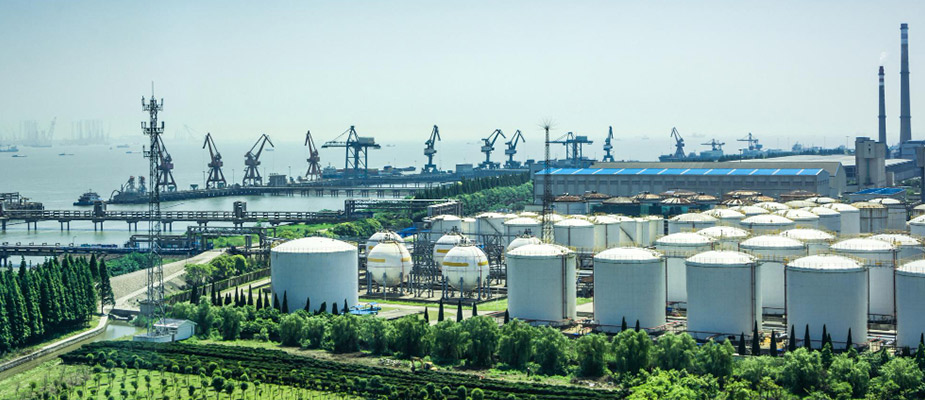
At this moment, India is on the edge of a remarkable transition in their energy future. As it works toward increasing sustainability, cleaner fuels, and minimizing dependence on foreign energy sources, one option that many people are launching into quickly is green hydrogen. Used to fuel many industries, power crisscross transportation routes, and provide enormous amounts of storage for renewable electric energy production, hydrogen has transformed from being a resource of the future into a resource of the present.
The birth of the in-ground green hydrogen filling plant in India signals an exciting and dynamic change in the use of hydrogen as an environmentally friendly energy source; a major component of infrastructure that supports mass adoption of hydrogen as an energy source. These plants will provide the foundation for new technologies including the introduction of hydrogen gas cylinders, hydrogen gas cylinder cascade systems, and other hydrogen gas storage methods that has proved efficient to hydrogen gas suppliers.
Let’s examine what this energy revolution will be for people today and into the future, and why it has the most critical relevance.
The Rise of Green Hydrogen Filling Plants in India
The green hydrogen filling plant in India is an integral player within the larger ecosystem of hydrogen; it plays a critical role by receiving, compressing, storing and safely distributing this renewable fuel within the context of the industry.
How a Hydrogen Filling Facility Works
A hydrogen filling facility generally receives hydrogen either from onsite production or delivery; it then compresses this hydrogen into high-pressure cylinders , stores this hydrogen safely in specially designed vessels; and finally fills either cylinders or directly refuels vehicles with the compressed hydrogen.
As India continues to develop its infrastructure, many pilot and full-scale commercial hydrogen filling facilities are being constructed within the major industrial areas.
Drivers for Growth of Hydrogen Infrastructure Across India
Many different factors are contributing to the growth of hydrogen infrastructure in India:
Government Initiatives
India’s National Hydrogen Mission seeks to position India as a leading global producer and exporter of green hydrogen.
Demand from Industrial Users
Many industrial users such as refineries, fertilizer plants, and steel manufacturers are now utilizing cleaner forms of energy input than what has historically been used by these industries.
Transportation Sector
Numerous organizations are testing and deploying hydrogen-powered large buses, trucks and trains.
Energy Resource Requirements
Hydrogen is also an effective means to store excess amounts of renewable energy to be consumed at a later date.
Want to Set Up a Hydrogen Filling Facility?
Discover the technologies and partnerships you need to build your own hydrogen infrastructure.
Hydrogen Gas Cylinder Cascade: The Backbone of Distribution
The hydrogen gas cylinder cascade system is one of the primary components for hydrogen infrastructure. These systems allow for safe, efficient, and convenient storage and transportation of hydrogen as a compressed gas.
What Does it Mean to Have a Cylinder Cascade?
A cylinder cascade is a grouping of multiple cylinder bundles and bladders having similar or different dimensions and connected together in tiers. This allows for both the following:
- Gas transfer to occur efficiently
- Pressures to be controlled
- Safe hydrogen gas storage
- Transport of hydrogen safely
Benefits of a Cylinder Cascade System
- Scalability: These systems may be expanded depending on the amount of demand.
- Mobility: The ability to be transported from one area to another.
- Safety: They are designed in such a manner that there are multiple fail-safe mechanisms.
- Efficiency: The design prevents long refueling times.
They are particularly beneficial for areas where no hydrogen pipeline system currently exists.
Need Reliable Hydrogen Storage Solutions?
Learn how advanced cascade systems can optimize your operations and ensure safety.
Hydrogen Gas Supplier Ecosystem in India
An expanding network of hydrogen gas suppliers has developed across India along with the emergence of green hydrogen.
Supplier Responsibilities
- The function of hydrogen gas suppliers includes:
- Producing or procuring hydrogen
- Providing quality assurance of product and purity
- Transporting hydrogen to end users
- Offering technical assistance
Types of Hydrogen Suppliers
- Large Industrial Gas Firms: Large scale producers of hydrogen typically supplying industries (steel, chemicals) with hydrogen gases.
- Renewable Energy Companies: Companies that are incorporating hydrogen into their portfolios of renewable energy.
- Startups Focused on Specialties: Companies focusing on niches or very specific use cases and/or de-centralized uses of hydrogen.
What Supplier Attributes To Consider
- Reliability & Consistency
- Safety Compliance
- Delivery Capabilities
- Cost Effective Solutions
- Technical knowledge base
Common Storage Options
There are many ways to store hydrogen gas. As the lightest element in the universe, the methods for storing hydrogen can be difficult and complicated but also offer opportunities.
Types of Storage Methods
- Compressed Gas: Hydrogen is stored at high-pressure cylinders (350-700 bar).
- Liquid Hydrogen: Hydrogen is cooled to very low temperatures (-253°C).
- Material (Hybrid): Hydrogen is absorbed or packed into materials (ex. Metal Hydride).
Types of Storage Methods
- High costs can be prohibitively high.
- Safety issues/challenges.
- Energy losses due to compression and storage methods.
Looking to Improve Hydrogen Storage Efficiency?
Explore cutting-edge technologies that redefine safety and performance.
Applications of Green Hydrogen in India
Green hydrogen is being adopted quickly due to the rapidly increasing demand for its use in a variety of industries, including:
Transportation
- FCVs (Fuel Cell Vehicles)
- Buses and Heavy-Duty Trucks
- Railways and Marine Applications
Industrial Uses
- Steelmaking
- Refining
- Ammonia Production
Power Generation
- Back-up Power Systems
- Grid Frequency Support
- Renewable Energy Storage
Residential & Commercial Uses
- Heating and Cooking
- Distributed Energy
Safety Considerations in Hydrogen Infrastructure
Through hydrogen and other energy sources, safety is a major concern. Hydrogen is a highly flammable and low ignition energy fuel source, making it crucial that safety considerations be made when working with hydrogen, in order to keep everyone’s safety as the top priority.
In terms of safety, the following should be implemented:
- Leak Detection Systems
- Proper Ventilation
- Pressure Control
- Regular Maintenance & Inspections
- Employee Training
The current hydrogen infrastructure has been designed with multiple levels of safety in order to provide an adequate level of reliability for all.
Want to Prioritize Safety in Your Hydrogen Projects?
Implement best practices and safeguard your investments with expert guidance.
Government Policies & Support
Strong governmental policies support India’s effort to harness Hydrogen energy. Some important government initiatives include:
- The National Hydrogen Mission
- Providing Incentives for Creating Green Hydrogen
- Support for R&D/Pilots
- Infrastructure Development Programs
These initiatives are intended to establish India as a worldwide leader in Hydrogen technology.
Challenges & Barriers To Implementation
There are a number of challenges facing Hydrogen’s future in India, including:
- The high cost of initial investment.
- The lack of a comprehensive, developed infrastructure.
- There is not a skilled workforce available.
- There are also significant technological barriers to creating Hydrogen as a fuel source.
Despite all of these challenges and barriers, hydrogen’s future looks bright due to continued innovation and collaboration among all industry stakeholders.
The Future of Green Hydrogen in India
The future is bright; there are more investments happening than ever before in India. With more technological advances, and more supportive government policies, India has positioned itself to be a worldwide hub for green hydrogen.
What does the future hold?
- Expansion of hydrogen refueling stations.
- Growth of hydrogen transportation options.
- Integration with smart grids.
- Export of hydrogen internationally.
The hydrogen refueling station in India will remain an important component of this transition; through the introduction of hydrogen gas cylinder cascade systems, equipped hydrogen gas suppliers, and adequate hydrogen gas storage solutions.
Conclusion
The emergence of green hydrogen filling plant in India signals a significant change in India’s energy landscape. From reducing greenhouse gases to ensuring energy independence, the full benefits of developing hydrogen infrastructure (refueling stations, cascade systems, suppliers, storage technology, etc.) will create a clean and sustainable future for all.
The vision of a hydrogen-powered India is becoming a reality, as businesses, governments, and innovators unite to create a clean, hydrogen-powered India with the help of most efficient hydrogen gas suppliers of the nation.
Now is the time to step up, to invest, and to take lead in this revolutionary time.
Ready to Lead the Energy Transition?
Connect with industry experts and start building your hydrogen roadmap today!