
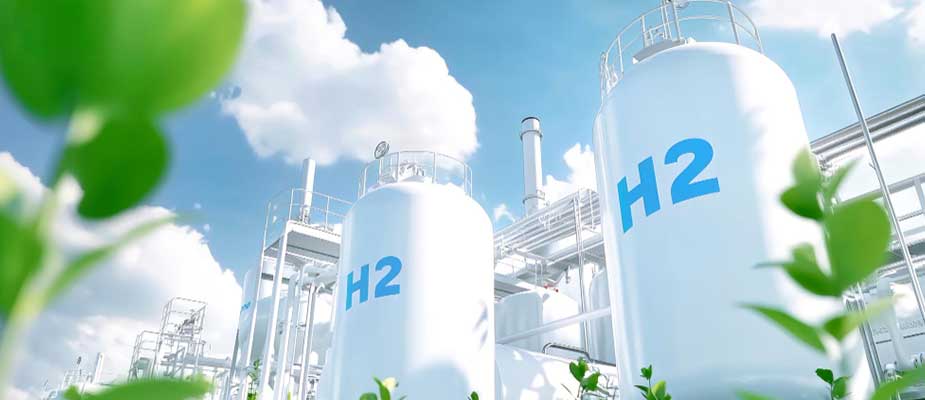
Accelerating at an unprecedented pace, the global energy transition is faster than ever! Governments, industry and innovators are working to identify trusted alternatives to fossil fuels capable of powering economies while protecting our planet.
Hydrogen is one of the more promising alternatives. It’s simple yet incredibly powerful, and could potentially reshape the way the world develops and uses energy.
Green hydrogen has emerged as a leading contender in the transition to carbon neutrality; it can be produced using renewable electricity and used to help decarbonise hard-to-electrify sectors, including steel, fertiliser production, heavy transport, and shipping.
However, hydrogen’s promise goes beyond production. The real opportunity/challenge lies in storing, transporting and distributing hydrogen, and hydrogen gas storage systems and hydrogen storage cylinder cascade systems will rapidly evolve to allow industrial use of hydrogen in a safe and accessible manner.
As the green hydrogen plant infrastructure and green hydrogen plant companies continue to rapidly grow in India, it is positioning itself as a leader in the global hydrogen revolution.
In this blog, we will examine how hydrogen technology is used, the importance of storing hydrogen, and how India is establishing itself as a key player in the green hydrogen economy.
Hydrogen is the most plentiful element in the universe, but is rarely found in its pure state on Earth; it is primarily bound to other elements such as oxygen (e.g., H2O) or carbon (e.g., hydrocarbons). To be used as a fuel source, hydrogen must be extracted using certain production methods.
Traditionally, hydrogen has been produced through a process known as steam methane reforming, which relies on fossil fuels and emits carbon emissions when producing hydrogen. Often referred to as “grey hydrogen,” this is the most common method of producing hydrogen.
However, green hydrogen redefines how hydrogen can be used.
Green hydrogen refers to the hydrogen produced from the process of electrolysis, wherein water is split into its base components (H2 and O2) with the application of electricity. If the electricity source is renewable, such as solar or wind power, then the hydrogen produced from that process has zero carbon emissions.
As such, green hydrogen is one of the cleanest forms of fuel that exists today.
There are several distinct benefits of using hydrogen as a fuel source.
Hydrogen can be utilised as a fuel supply for transportation, to generate electricity, as a storage medium for renewable energy, and to replace traditional fossil fuel use for industrial processes.
To take full advantage of the benefits of hydrogen, storage and transportation of hydrogen are critical, which leads us to one of the most essential components.
A hydrogen gas cylinder cascade is a unique distribution and storage method used to keep multiple connected high-pressure cylinders containing hydrogen.
These connected cylinders are arranged in a way that allows for controlled transfer of gas between cylinders with different levels of pressure.
The basic operating principle of a hydrogen cylinder cascade includes the following three steps:
This method allows for more efficiency in using stored hydrogen while creating very little gas wastage.
The main benefits of using hydrogen gas cylinder cascades include the following:
Cascades make use of the pressure in the highest-pressure cylinder bank until they are empty before starting to use the second-highest-pressure cylinder bank.
Industries can have a constant supply of hydrogen without any fluctuations in pressure.
Hydrogen cylinder cascades can be sized based on actual needs.
The design of a cascade system has pressure regulators, pressure relief devices and automated monitoring.
Hydrogen cylinder cascade systems are currently being used by several industries, such as:
Hydrogen cylinder cascades are becoming the main component of these installations to provide the required hydrogen supply.
Implement efficient hydrogen gas cylinder cascade systems to improve storage efficiency and ensure reliable hydrogen delivery.
For hydrogen to be widely used as an energy source, it must be manufactured in volume. The manufacturing of this hydrogen is referred to as the green hydrogen plant.
In a green hydrogen plant, renewable resources will supply the energy for producing hydrogen gas.
A hydrogen facility (or plant) consists of five main components:
There are three primary types of electrolysers a green hydrogen facility can use:
Alkaline Electrolyser
Proton Exchange Membrane (PEM) Electrolyser
Solid Oxide Electrolysers
All three technologies will help increase the amount of hydrogen on the planet.
Planning to develop a green hydrogen plant? Partner with industry specialists to design efficient, scalable hydrogen production facilities.
Hydrogen innovation is experiencing rapid growth in India. The Indian government has launched a National Mission on Green Hydrogen to support India’s efforts to become a global centre for producing and exporting green hydrogen.
The broad objectives of the mission are:
With abundant solar resources and strong industrial demand for hydrogen production, India is well-positioned to leverage its natural assets.
The rapid development of hydrogen infrastructure has led to a surge in investment in India by public and private sources. A number of companies are now developing commercial-scale green hydrogen plants throughout the country.
Currently, the focus of the companies working on green hydrogen plants includes:
Steel Production
Hydrogen can serve as an alternative to coal for producing steel, and, as a result, will lower carbon emissions significantly.
Fertilizers
Hydrogen is an essential ingredient in ammonia production to manufacture fertilisers.
Refineries
Hydrogen is already used widely in the oil refining process.
Transport
More and more hydrogen fuel cell vehicles are being used for heavy-duty transport.
Storage of Electricity
Hydrogen can be used as a means of storing any excess renewable energy that might be generated.
As hydrogen demand increases, the number of companies producing green hydrogen plants in India will likely increase substantially.
Explore partnerships with leading green hydrogen plant companies in India and contribute to the country’s clean energy transformation.
For the hydrogen economy to be feasible, a comprehensive hydrogen infrastructure will be necessary, including:
The absence of these different hydrogen infrastructure components will hinder the large-scale use of hydrogen.
HDM (Hydrogen Development Model) is being established globally, and most countries have plans for developing hydrogen hubs where hydrogen production, storage, and use will be co-located.
Hydrogen hubs therefore reduce transportation costs, support rapid hydrogen adoption, and create a foundation for increasing hydrogen consumption in an economic and efficient manner.
India is currently exploring hydrogen clusters to achieve hydrogen Hub (for production, transportation, and use) growth opportunities near the following types of locations:
Hydrogen hubs create significant opportunities to support hydrogen production (for export) at scale.
Hydrogen’s high flammability presents a major safety concern within hydrogen infrastructure.
As a result, modern hydrogen facilities have implemented several safety features, including:
There are also strict international safety standards (i.e., for storing, transporting, and handling hydrogen) in place.
Therefore, when well-managed, hydrogen systems have the potential to be very safe and safe.
In recent years, hydrogen has gone from being a futuristic idea to being an energy source that can help change the energy landscape of the world. Some of the advancements in technology that are helping create a more sustainable, clean energy future are things like hydrogen gas storage systems (such as a hydrogen gas cylinder cascade infrastructure) and large-scale green hydrogen facilities (plants that use wind or solar to create hydrogen).
As the hydrogen industry continues to grow in India with companies producing green hydrogen, it shows that India is positioning itself to become a world leader in the production of clean hydrogen. As more industries begin using hydrogen and as the supporting infrastructure continues to develop, the dream of a hydrogen-powered economy is becoming closer to reality.
However, this transition to a hydrogen-powered economy will not occur all at once; rather, the groundwork for the transition is already being laid down and is continuing every day with new hydrogen-related innovations and investments. The innovators, organisations, and decision-makers who invested in hydrogen today will ultimately decide how energy systems will look in the future.