
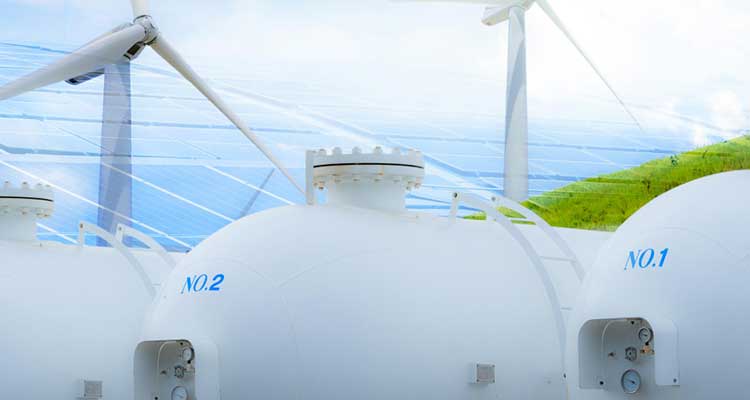
The global push towards zero-carbon energy sources is no longer just a dream; it has become an essential part of the modern industry. Hydrogen is now positioned as an essential part of our global energy systems as it allows for the decarbonization of many different industries, with uses in clean transportation, industrial processes and for balancing out electricity on the grid.
But for hydrogen to reach its full potential, it must be supported by sufficient infrastructure. Sufficient hydrogen infrastructure will be built upon dependable hydrogen gas storage facilities; efficient hydrogen gas cylinder cascade systems; stringent gas cylinder hydrotesting; and well-designed hydrogen pressure-reducing station installations.
When integrated properly, these essential components of the hydrogen economy will provide for the development of a hydrogen ecosystem that is safe, scalable and built in readiness for future use of hydrogen.
In this comprehensive blog, we are going to take a close look at the science, engineering, safety standards and industrial uses of hydrogen infrastructure and why this infrastructure will underpin the energy landscape of the future.
The universe contains an enormous amount of hydrogen gas; however, hydrogen gas is now being seen as a potential source of energy for future generations. Other than the fact that it is simply a clean fuel option when used in batteries or fuel cells, there are many reasons to consider hydrogen gas for your needs.
In addition to the existing hydrogen gas production in the chemical industry (which includes oil refining, fertiliser production, steel processing, chemical manufacturing, and electronics production), as a vehicle fuel, hydrogen is rapidly expanding into transportation and power generation, as well as storing renewable energy.
An equally important consideration, in addition to the hydrogen production piece, is the engineering of hydrogen safely, efficiently, and economically by storing, transporting, regulating, and distributing it.
Some physical properties of hydrogen make it both an effective fuel and a highly technical product/element to manage:
These properties require a specialised infrastructure, such as hydrogen gas storage and pressure management networks.
This means that for hydrogen to be used on a large, industrial level, there must be adequate storage and pressure systems to support it.
Gas cylinders use very high pressure to store gas. Cylinder integrity can be eroded over time due to wear, corrosion, and fatigue, which is why hydrotesting these cylinders for safety reasons is so important.
Hydrotesting is a process that tests the structural integrity (strength) of a high-pressure cylinder. During the process, water is put into the cylinder and increased in pressure above the working pressure to check for deformation, expansion, or leaks.
The purpose of hydrotesting is to keep the cylinder safe for continued use.
Because hydrogen can embrittle some metals, hydrogen cylinders are more susceptible to cracking under stress than other types of cylinders. Regular hydrotesting helps to detect:
A variety of regulatory organisations require that hydrotesting be performed on a routine basis to maintain compliance and safety.
Once a cylinder fails to pass hydrotesting, it must be immediately decommissioned.
Protect your operations and workforce with professional gas cylinder hydrotesting services. Maintain safety, compliance, and performance with certified inspection protocols.
Hydrogen is stored at exceedingly high pressures, but for business operations, it often needs to be delivered at lower, controlled pressures. It is a hydrogen pressure reducing station that provides the safe and precise regulation of these pressures.
A hydrogen pressure reducing station (PRS) is an apparatus to reduce high-pressure hydrogen gas that is stored in storage cylinders (or cascaded) so that it can be used in an industrial application at the correct operational pressure.
It also provides:
These components are designed to work together to maintain safe and consistent delivery of hydrogen gas.
A hydrogen pressure reducing station (PRS) must be engineered correctly, or else fluctuation in the pressure can cause damage to either your equipment or create a hazardous situation.
Achieve safe and consistent hydrogen flow with engineered hydrogen pressure-reducing station solutions. Protect your equipment and optimise performance today.
A successful hydrogen ecosystem integrates multiple systems, all working together to create a hydrogen supply chain that is safe and seamless. All of the following systems have interconnecting parts to support one another:
These systems provide the interconnected infrastructure that supports one another and creates a seamless and safe hydrogen supply chain.
For example:
By taking an integrated approach to developing a hydrogen ecosystem, businesses can minimise their exposure to risk while maximising efficiency.
Hydrogen has a critical role in the following industries:
Therefore, reliable hydrogen gas storage systems and hydrogen pressure-regulating systems are key components of all these industries.
Improve reliability, safety, and efficiency with integrated hydrogen gas storage, cascade, hydrotesting and pressure reduction solutions. Transform your hydrogen operations today!
Hydrogen systems are subject to strict safety regulations regarding hydrogen:
Using proactive safety management protocols reduces operational risk while ensuring compliance with regulatory requirements.
Investing in hydrogen infrastructure provides long-term benefits for:
Historically, the timing of an investment relative to the adoption of hydrogen will provide an advantage to those who invested early.
Hydrogen systems are benefiting from rapidly improved technologies:
The level of innovation providing increased safety, efficiency and scalability for hydrogen continues.
Hydrogen is much more than a fuel; it can serve as a strategic energy solution for many different industries and dramatically decrease worldwide carbon emissions.
To achieve this potential, we need:
These four components make up the foundation of a safe, scalable hydrogen economy.